


Why Ossining Works as a Local Day Out
Ossining is easiest to understand from the river first. Stand near Louis Engel Waterfront Park on a clear afternoon and the village begins to arrange itself: the Hudson to the west, the train line close by, downtown rising uphill, civic buildings tucked into the street grid, and wooded terrain never very far from the center of town.

That physical layout is part of the appeal. It is also the planning problem.
Many worthwhile stops in Ossining are close in spirit but not always close by foot. The waterfront, Main Street, residential hilltop blocks, ravine trails, parks, schools, houses of worship, and community event sites each ask for a slightly different kind of visit. A useful guide should not treat them as a contest for attention. It should sort them by experience: river, downtown, market, trail, history, food, civic gathering.
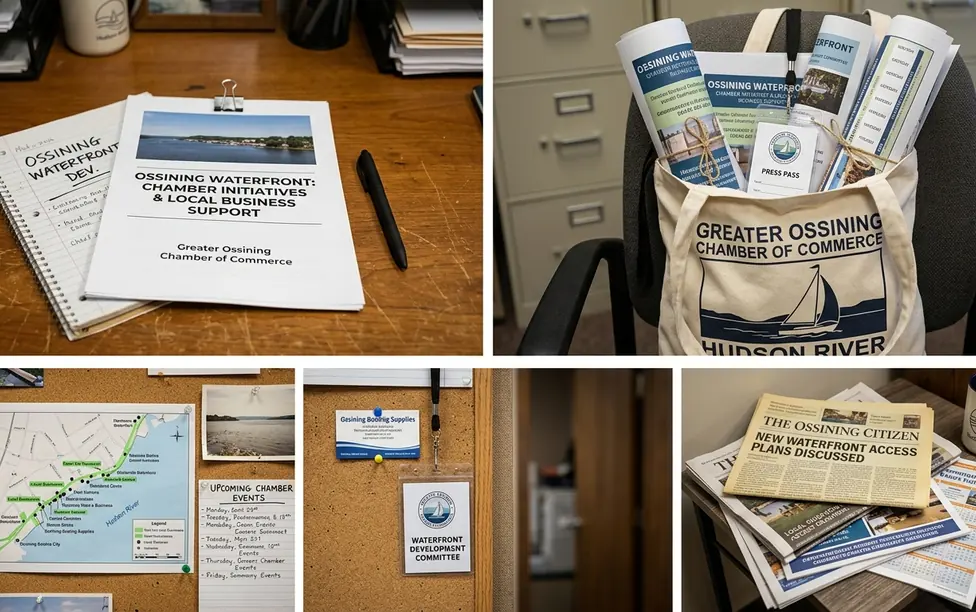
That is the Chamber lens I use here. The Greater Ossining Chamber of Commerce often thinks about the village as a set of connected public experiences: a resident meeting friends after errands, a sponsor considering a community event, a vendor deciding whether a pop-up makes sense, or a visitor trying to spend a few hours without overplanning the day.
Main Point: Plan Ossining as a connected local outing, not as a checklist of isolated attractions.
Criteria for Selection
This list is curated for public accessibility, local relevance, year-round usefulness, and the ability to support nearby businesses or civic activity. Those criteria matter more than novelty. A place that helps a visitor read Ossining accurately deserves attention, even if it is familiar to residents.
Initially, the curation team considered organizing the guide geographically by neighborhood, but discarded this approach after realizing that visitors typically plan around time commitments: a quick river walk, a half-day with lunch, or a market morning paired with errands. Time shapes behavior more reliably than map boundaries.
The numbering below is for readability and planning. It is not a ranking.
I prioritize activities that reveal Ossining’s actual character: Hudson River access, historic neighborhoods, local commerce, arts programming, parks, trails, and community events. A strong local day out should leave someone with a clearer sense of the village, not just a camera roll.
What This Guide Covers—and Does Not
This guide covers activities in Ossining and immediately relevant nearby stops that a resident or visitor could reasonably include in an Ossining outing. It is written from a civic and Chamber perspective, with attention to how public spaces, businesses, vendors, and community organizations interact.
The scope is practical, not exhaustive. It does not verify live hours, ticket availability, vendor participation, trail conditions, restroom access, or weather-related closures. Waterfront access and trail connectivity depend heavily on seasonal daylight, and municipal park facilities typically lock gates shortly after sunset. Do not assume that public restrooms remain available year-round; winterized facilities can change the logistics of an otherwise simple visit.
For current municipal rules, event notices, and public facility information, start with the Village of Ossining official website. For this topic, local accuracy depends on timing as much as location.
Caution: A plan that works in June may need adjustment in January, especially near the river, on trails, or around outdoor markets.
The Curated List
1. Walk the Hudson River Waterfront
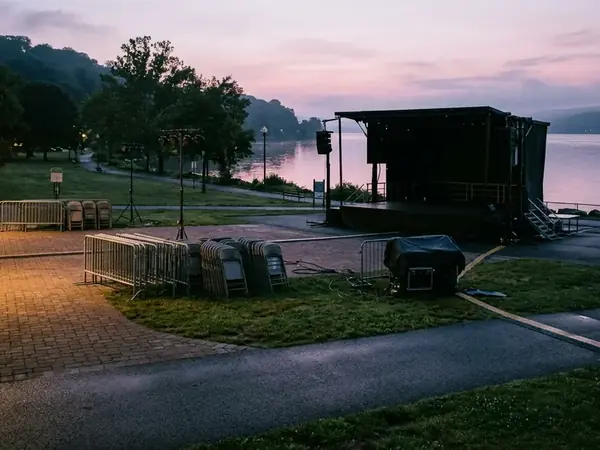
Start at the waterfront if you are new to Ossining. Louis Engel Waterfront Park gives the clearest first impression of the village because it joins several defining elements in one place: the Hudson River, open sky, benches, train-side movement, and a working sense of arrival.
This is not a complicated stop. That is its strength. Walk slowly, sit for a few minutes, watch the light change over the river, and let the sound of the train remind you that Ossining has always been tied to movement: by water, rail, road, and foot.
Sunset can be especially memorable, but it requires attention to timing. Arrive early enough to park, walk, and leave before facilities close. The best waterfront visit is unhurried but still respectful of posted rules.
For visitors, the waterfront works as an orientation point. Residents can use it as a reset. For vendors or event planners, it is a reminder that public gathering places carry both opportunity and responsibility: access, circulation, cleanup, and neighbor impact all matter.
2. Explore Downtown Ossining
Downtown Ossining is not a staged shopping district. It functions more like a real village corridor: food, coffee, errands, small storefronts, service businesses, municipal routines, and neighbors crossing paths because the day requires it.
Main Street and the nearby blocks are best approached with a browsing mindset. Get coffee. Walk a block farther than you intended. Choose a casual meal. Notice the mix of older buildings, narrow storefronts, and practical businesses that serve residents first.
Downtown also pairs well with another activity. A waterfront walk followed by lunch makes sense. After a market morning, errands make sense. A short cultural stop followed by coffee makes sense. The point is not to fill every minute; it is to let downtown serve as the connective tissue of the outing.
Parking deserves a little discipline. Downtown meters enforce a 2-hour maximum limit during weekday daytime hours, usually 8:00 AM to 6:00 PM where posted. That time frame can be enough for coffee and a walk, but it can feel tight if you sit down for a meal and add shopping afterward.
Expert Tip: Treat downtown as the middle of the day, not merely the end of it. That choice sends more foot traffic to local businesses and keeps the visit flexible.
3. Visit a Local Market or Vendor Event
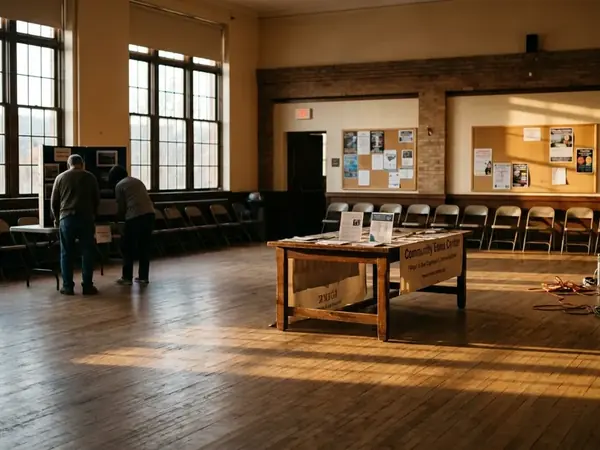
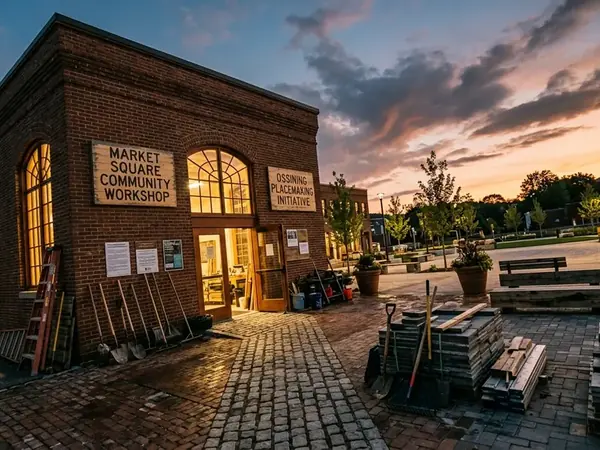
Markets, pop-ups, street fairs, and civic vendor settings show Ossining in motion. They bring together residents, small businesses, sponsors, volunteers, and public agencies in a way that a normal weekday cannot.
The value is different for each participant. Residents discover local food, crafts, services, and organizations. Sponsors gain face-to-face visibility without separating themselves from the community setting. Vendors test products, meet customers, and learn whether a local audience responds to their offer.
From an event logistics standpoint, the details behind the table matter. Municipal event permits require a lead time of about 45 to 60 days for approval, which means pop-up schedules can shift late in the season. Vendor lists may change. Weather plans may change. A sponsor package may depend on the final site plan.
Seasonal market schedules also tend to transition from outdoor to indoor formats between around mid-November and early December. That change alters foot traffic patterns along Main Street. A Saturday morning that feels open and expansive in warmer months may become more concentrated once the market moves indoors.
If you are visiting, check the current listing before you build your day around a specific vendor. If you are vending, confirm the rules before you commit staff, inventory, signage, and insurance documents.
4. Walk the Sing Sing Kill Greenway
The Sing Sing Kill Greenway offers a different Ossining: wooded, enclosed, and shaped by the ravine. It is a short linear walk, but it changes the texture of the day quickly.
The Greenway covers close to 0.6 miles through the ravine and generally requires 15 to 25 minutes at a standard walking pace. That makes it useful for visitors who want a nature break without building the whole day around a long hike.
Short trails still require judgment. Footing, lighting, and weather can change the experience. If you are pairing the Greenway with downtown, wear shoes that can handle uneven surfaces and leave enough daylight for the return.
This stop works best as a contrast. Do the river, then the ravine. Or do lunch, then the ravine. In both cases, the shift helps explain why Ossining cannot be reduced to a single scene.
5. Notice the Historic and Civic Landscape
Ossining’s history is visible in layers rather than in one single attraction. You see it in older residential streets, institutional buildings, civic spaces, riverfront infrastructure, and the way the village rises from the Hudson.
A careful walk teaches more than a rushed tour. Look at building scale. Notice where commercial activity clusters. Watch how streets move uphill. These observations help a visitor understand why local planning, parking, public events, and business development require patience.
For residents, this is familiar ground. For visitors, it can be the difference between saying, “We stopped in Ossining,” and saying, “We began to understand Ossining.”
How to Plan Your Visit
Under Two Hours
Choose the waterfront plus one small downtown stop. Walk at Louis Engel Waterfront Park, sit briefly by the river, then head downtown for coffee, a snack, or a short browse.
This framework works for a first visit, a commuter gap, or a low-pressure outing with someone who does not want a packed schedule. Keep parking limits in mind if you use metered spaces during weekday enforcement hours.
Half Day
Build the visit around three parts: waterfront, downtown meal, and one trail or cultural stop. That sequence gives the day a beginning, middle, and change of pace.
For example, start by the river while the light is open, move downtown for lunch, then walk the Sing Sing Kill Greenway if conditions are suitable. If weather is poor, substitute a civic or cultural stop and keep the day closer to Main Street.
This is the most balanced format for many visitors. It includes scenery, local commerce, and one place that asks for closer attention.
Full Day
A full day should not mean constant motion. Ossining rewards pauses. Plan the waterfront, downtown, a market or event if one is scheduled, a trail or park, and a final meal or coffee stop.
The caveat is energy. The village has grade changes, varied parking conditions, and shifting foot traffic. Weekday commuter hours feel different from weekend market mornings. Build in time to move slowly, especially if you are traveling with children, older adults, or guests unfamiliar with the area.
For sponsors or organizations hosting guests, a full-day plan should include clear meeting points, restroom assumptions checked in advance, and a weather backup. Hospitality starts before the guest arrives.
Local Etiquette for Visitors and Vendors
Shared public spaces work when people treat them as shared. Follow posted rules, respect residential blocks, keep sidewalks clear, dispose of trash properly, and support local businesses when downtown serves as part of your outing.
Small choices matter. Do not block storefront entrances while deciding where to eat. Keep dogs under control. Step aside when a sidewalk narrows. If you photograph a vendor table or a performer, ask when the situation feels personal rather than public.
For vendors and sponsors, the etiquette becomes operational. Confirm event requirements, setup rules, insurance needs, and municipal permissions with organizers before committing. Civic street fairs typically require vendor arrival windows between roughly 6:30 AM and 7:45 AM so organizers can preserve emergency vehicle clearance before pedestrian traffic begins.
That early window is not merely administrative. It protects the event. A late vehicle, an oversized tent, or a table placed beyond its assigned footprint can affect public safety, neighboring vendors, and the visitor experience.
Caution: Do not treat a community event like a private sales setup. The public right-of-way comes first.
A Practical Way to See Ossining
Ossining is most rewarding when planned as a sequence of connected local experiences. River, downtown, trail, market, meal, civic space: each part explains something the others cannot.
The better question is not, “What is the single best thing to do?” It is, “What combination of places will help this day make sense?” A resident answering that question may choose errands and a market. A visitor may choose the waterfront and lunch. A sponsor may choose an event that places the organization in genuine contact with the community.
Return with the seasons. Event calendars change, markets move between outdoor and indoor formats, vendors rotate, and public programs evolve. That is part of the village’s strength. Ossining is not a static attraction; it is a working community that rewards attention.









Join the Discussion