

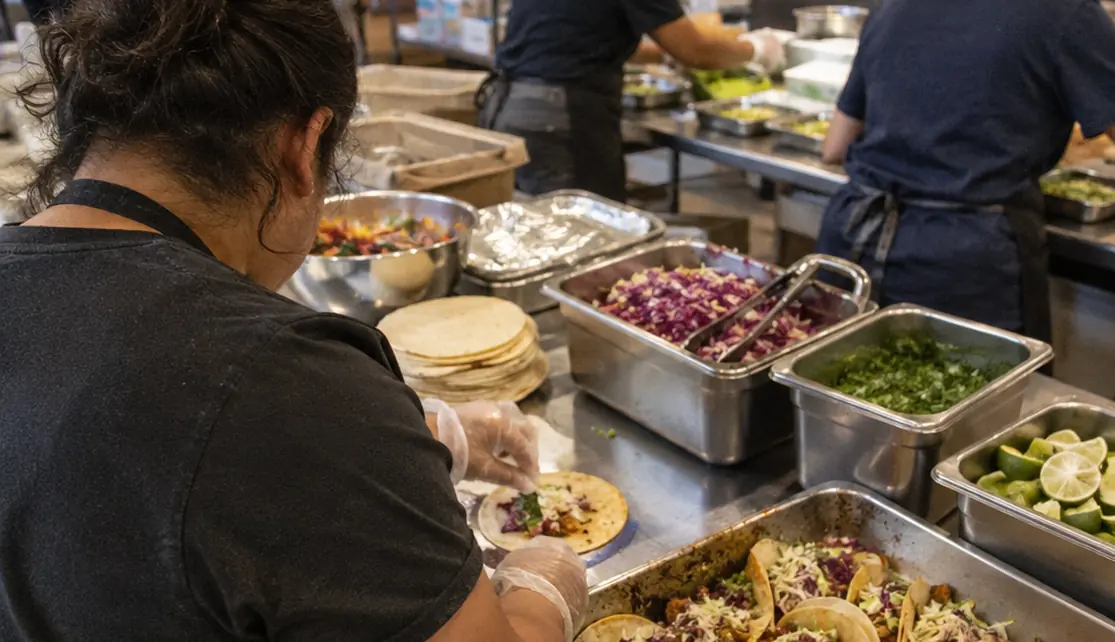
A Downtown Eatery Changes Its Festival-Day Service
A downtown eatery restructured both its menu and its staffing for a major civic event. Management had reviewed foot traffic from earlier street closures and expected a concentrated wave of walk-up customers. The restaurant’s usual seated service depended on time and space that a festival crowd would put under pressure, so the team planned a walk-up counter for the day.
The restaurant, event date, and people involved are not identified in the available account. Their names should enter this story only when reporting confirms them. The operational decision is clear: a counter changes where customers wait, where staff exchange information, and how food leaves the kitchen. A room arranged for seated orders can become crowded at its entrance when customers arrive, pay, and collect meals in quick succession.
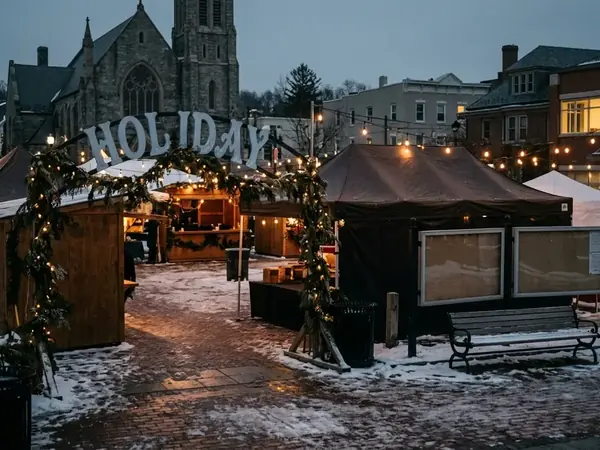
That shift matters beyond a single doorway. Street festivals invite residents and visitors to explore local businesses, often on a timetable shaped by performances, nearby vendors, and the movement of the crowd. For a restaurant, the question becomes whether its ordinary service pattern can accommodate that movement while leaving a clear path for the next customer.
How a Narrow Entrance Slows the Next Order
Follow a customer through the transaction. They read a menu, choose, pay, wait while the kitchen prepares the meal, collect it, and leave. Each stage needs a place to happen. When people waiting for pickup occupy the same space as people trying to order, a completed meal can still hold up the line.
In this eatery’s account, the kitchen manager mapped the physical route of an order and found the principal delay at the handoff of packaged meals near the narrow front door. Cooking time was not the main obstacle identified in that review. The team responded by separating the payment line from the pickup window, giving each group a clearer destination.
That distinction helps explain why adding kitchen speed alone would have been an incomplete response. A cook can finish an order, yet the next customer may still struggle to reach the register if departing diners and waiting patrons meet at the entrance. The physical route from counter to handoff deserves the same attention as the recipe.
The available account does not include a customer interview or a recorded description from staff of conditions before the change. It would overstate the evidence to assign a particular experience to either group. What the route analysis establishes is narrower and useful: the team identified a handoff constraint and changed the flow around it.
Why the Festival Menu Became Smaller
A walk-up counter only helps when the kitchen can support the orders it attracts. The team considered keeping the full appetizer selection, then tested that idea against fryer capacity. The simulation showed that fryer recovery would constrain output during the rush. Management chose a smaller group of hot dishes that could move through a shared preparation station.
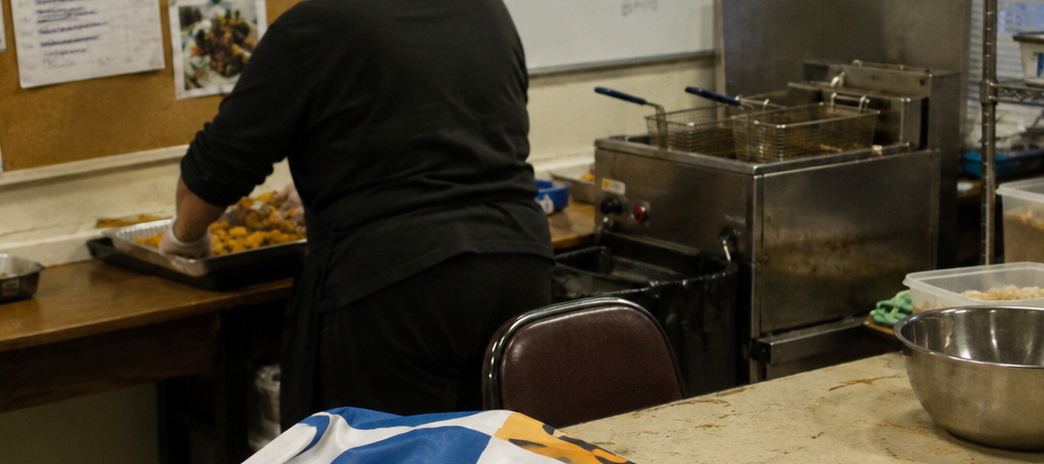
The decision joined several practical questions. How long does an item take to prepare and pack? Can cooks use the same ingredients across dishes without crowding the station? Will the container travel cleanly from the expediter to the customer? Can a person waiting in line understand the choice without a long explanation at the register?
Each question affects the next. An item with a short cooking time can still slow service if packaging requires repeated handling. A menu with familiar ingredients can still confuse the line if customers must ask what comes with each dish. The restaurant reduced the choices so ordering and production could follow a more predictable sequence.
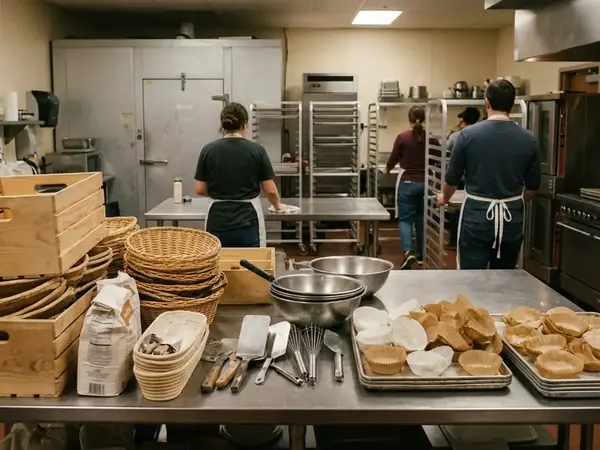
Staffing had to reflect that sequence. Paid staff retained the food preparation and transaction work described in the account. A community volunteer handled the queue and distributed paper menus. That assignment addressed a different source of pressure: customers needed to know where to stand and what they could order before reaching the counter. The account does not establish that the volunteer handled food or payments, and those duties should not be inferred.
Faster transactions also require careful financial interpretation. A shorter menu can reduce waste, but profit depends on sales, ingredient costs, labor, and what remains at the end of service. A quicker register cannot settle that question by itself.
From Item Selection to a Clear Pickup
The chef selected the festival items by timing assembly in takeaway containers. The team favored dishes that line cooks could finish with limited handling before passing them to an expediter. That choice linked menu design to the kitchen’s actual sequence of work: prepare the item, pack it, pass it forward, and replenish ingredients before the next rush of orders.
Pickup completed the sequence. With payment and collection separated, staff could direct a customer toward the handoff point without asking that person to remain in the ordering line. The account describes the intended flow, though it does not supply a floor plan or establish how every customer moved through the space.
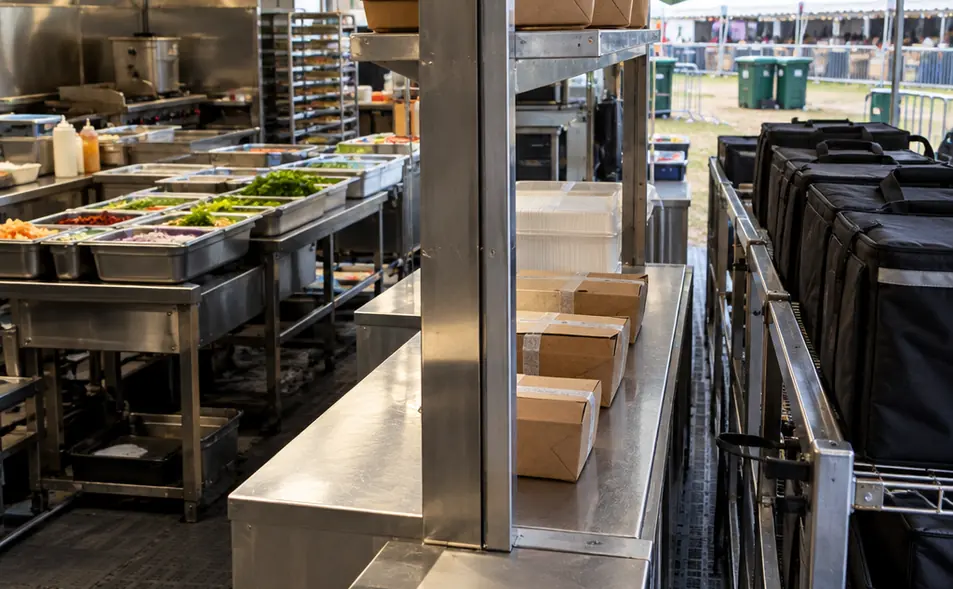
A shorter set of choices can make kitchen coordination easier because staff repeat familiar steps and can anticipate what the next order requires. It still demands enough working room. Here, an expediter needed a position between the preparation line and the customer window that did not obstruct the fry station. Another eatery considering the same approach would need to examine its own doorway, stations, and pickup area before copying the arrangement.
The available account does not document dietary exceptions or whether regular customers could order from the usual menu during the event. Those are questions to settle when preparing a festival menu, rather than details to assume after the fact.
Test the Entire Handoff
I would test each proposed item from the moment a customer names it until the packaged meal reaches their hands. Count the preparation steps, check the equipment it needs during the busiest period, and walk the route to pickup. Sales appeal matters, but an item belongs on a festival menu only if the kitchen and the handoff space can deliver it repeatedly.
The Queue Volunteer and the Paid Service Team
Management assigned a community volunteer to manage the line and hand out menus. The decision followed observations that confusion in the queue had frustrated customers at previous street fairs. By helping people find the ordering point and see the available choices, the volunteer supported the service flow without taking over kitchen duties.
That boundary is important. The account places paid staff in the food preparation and payment process and identifies the volunteer’s queue-facing tasks. It does not specify the volunteer’s personal reason for participating, the exact instructions they received, or their interactions with individual customers. A fuller account would require a recorded, approved interview before describing those experiences in the volunteer’s own words.
It would also require a customer’s permission before quoting how the revised service felt from the other side of the counter. A customer might notice an easier-to-find pickup point while staff notice fewer people gathering at the entrance, but neither observation can be presented here as someone’s testimony.
For future events, the division of labor offers a practical planning question: who has authority to redirect a line when it begins to block an entrance? The person guiding customers needs a clear route to refer them to, and staff need a way to communicate when the pickup area fills. Assigning the volunteer to the queue gave the eatery a defined starting point for that coordination.
What the Register and Waste Check Can Show
After the event, the owner compared register timestamps with inventory depletion. The account reports faster transaction processing and less perishable food waste at the end of the shift. Those findings support a limited conclusion: the simplified menu helped the kitchen move transactions through service while leaving fewer perishables unused.
Transaction speed and customer wait are related, but they are different measures. A register records when a sale takes place; it does not, on its own, show when a customer joined the line or received a meal. The supplied summary says waits fell, yet the available account provides no dated, comparable before-and-after wait observations. A measured reduction in waiting should therefore remain an open reporting question.
The same care applies to the eatery’s finances. Inventory depletion and lower waste help explain what happened to ingredients. A profit assessment would also need documented sales, food costs, and labor for a meaningful comparison. The available material does not establish that the event maximized profit.
The human result remains less documented than the operational one. No approved volunteer or customer account accompanies the register and inventory review. Those voices would add context about whether the changed route felt clearer and where customers still hesitated, while remaining distinct from the owner’s records. The strongest account of the day would keep both forms of evidence in view without treating one as a substitute for the other.
The Next Ossining Festival Starts at the Beverage Cooler
At the post-event debrief, the team found another point where customers could gather: the beverage cooler. For a future street closure, the plan is to move canned drinks to an iced tub away from the main ordering queue. That would give people collecting drinks a route that does not draw them back toward the register.
The lesson extends the eatery’s earlier decisions about menu scope, staffing, and handoffs. The smaller menu addressed kitchen capacity. The volunteer helped customers approach the counter. Separate payment and pickup points addressed congestion near the door. Relocating drinks would carry the same attention to customer movement into the next event.
Residents and businesses interested in supporting future community events can ask the Greater Ossining Chamber of Commerce about volunteer opportunities as plans take shape. For any participating restaurant, the more immediate task is to walk the service route before festival day and decide where responsibility changes hands.
Which part of your festival service would you change before the next crowd arrives?






Join the Discussion