

A Deadline Can Create an Advantage
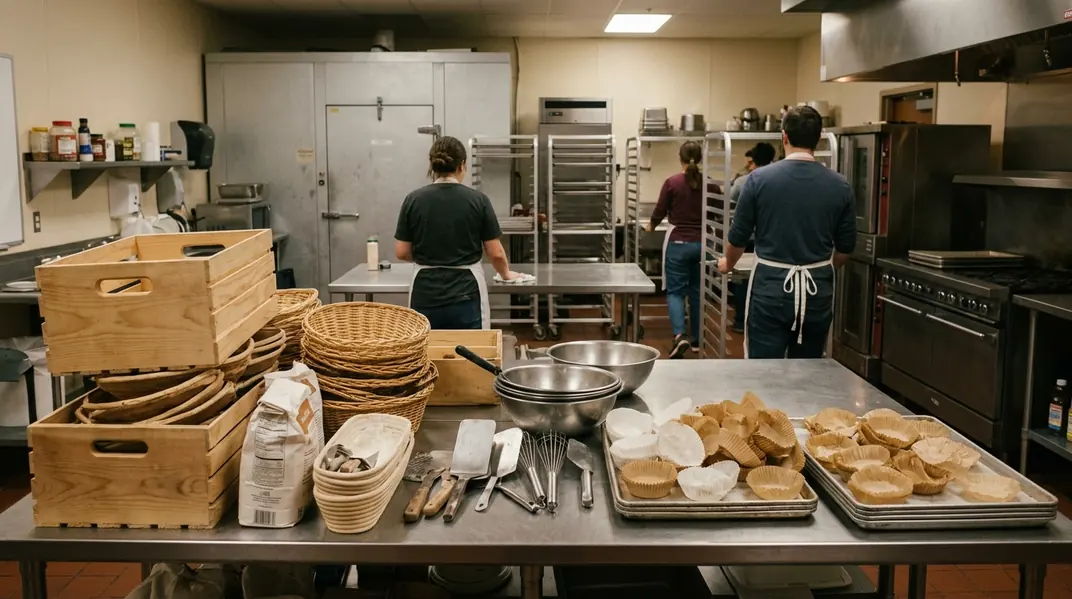
A defined sell-through window gives first-time vendors a structural advantage over experienced sellers who rely on open-ended production. Establishing strict operational boundaries forces a business to optimize every square inch of its footprint. Ossining Sweets, a first-time vendor at the Ossining Village Fair, targeted about a five-hour continuous service window. The bakery prepared inventory scaled strictly for a 10:00 AM to 2:30 PM operational capacity.
The vendor sold its complete prepared inventory by noon.
The outcome followed from three connected decisions: inventory planning, booth design, and community engagement. The case shows how deliberate constraints shape commercial velocity in temporary civic spaces.
The First-Fair Planning Problem
A bakery faces distinct uncertainties at its first fair appearance. Product demand remains unknown. Production capacity is limited. Planners mapped out the physical constraints of a standard 10x10 foot outdoor vendor footprint, treating the space as a micro-zoning challenge. They determined that only three primary product categories could be displayed without causing visual clutter or requiring complex cooling requirements.
Bakery inventory carries unique consequences in a temporary market setting. Insufficient inventory ends the selling window early. Excess stock creates waste and difficult post-event handling. Vendors must answer three specific planning questions to navigate these extremes. What can the kitchen make? How much can the team transport reliably? How quickly can the booth present and hand off each purchase?
Why the Decisions Worked Together
Drawing on event documentation from the Greater Ossining Chamber of Commerce, the operational flow reveals a strict decision chain. Production limits shaped the inventory. Inventory dictated the display. The display directly affected ordering speed.
The vendor positioned high-turnover items within a 24-inch reach radius of the transaction terminal. This placement kept the transaction and bagging sequence timed at 45 to 65 seconds per customer. An attractive booth cannot compensate for inaccessible products. Adequate stock fails if the purchase process confuses the buyer. A compact constraint-to-action matrix aligns production, transport, display, transaction flow, and customer conversation into one system.
Solution One: Plan for Sell-Through
From intake assessments, the chosen production level remained feasible for a first appearance because the bakery established a preparation window of 12 to 18 hours prior to load-in. The planning process required a simple SKU worksheet tracking 6 distinct items with unit prices ranging from around $4.25 to $6.50. This worksheet organized product selection, batch capacity, packaging, transport volume, and display capacity.
Menu Restriction Trade-Offs
A highly restricted SKU count reduces decision fatigue but risks alienating buyers looking for allergen-free or specialized dietary options if not planned carefully.
By calculating the exact physical space required for these six items, the vendor ensured that backup stock could be replenished safely without disrupting the primary display.
Solution Two: Make the Booth a Service System
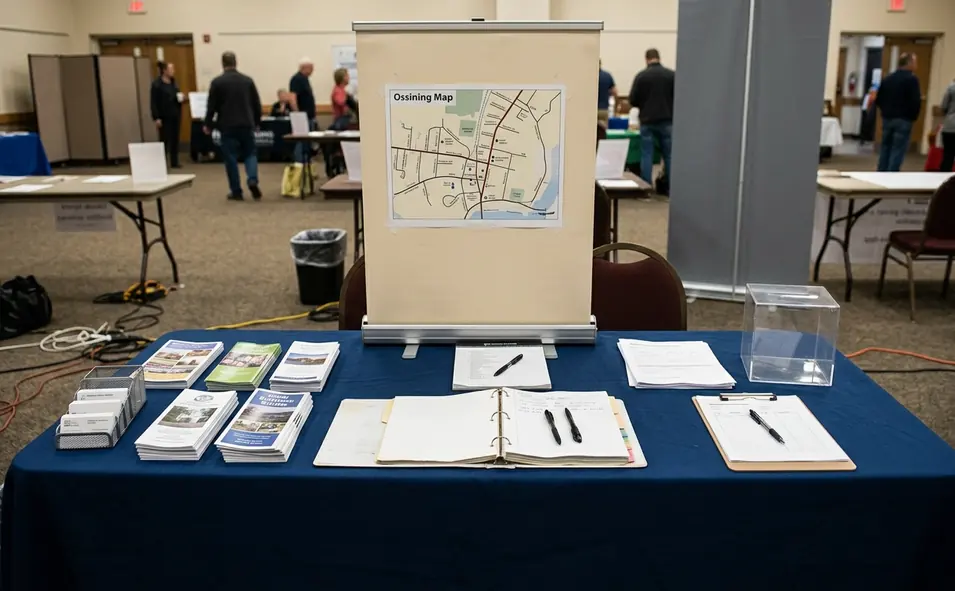
The booth layout functioned as a precise service system, mirroring efficient pedestrian infrastructure. Fairgoers must be able to see the offer, understand the choices, order, pay, and leave without obstructing the next customer. The vendor divided the space into distinct depth zones to prevent bottlenecks.
The front 18 inches were dedicated to visual display. The middle 36-inch depth zone was reserved for packaging and payment processing. Protected replenishment stock occupied the back. This front-middle-back layout reduces unnecessary handling. Display height, product grouping, and payment placement all accelerate the service line.
Solution Three: Turn Conversation Into Confidence
Community engagement establishes product familiarity for a first-time vendor with no established fair-day purchasing pattern. Brief, useful conversations reduce buyer hesitation. The vendor triggered engagement only after a 3 to 4-second customer pause at the display boundary.
Staff then delivered 10-second ingredient origin descriptions. This hospitality helps customers choose without slowing the service line. The interaction moves customers from initial curiosity to the final transaction.
The Result—and What It Proves
Ossining Sweets achieved complete inventory depletion by 12:15 PM during its first appearance at the Ossining Village Fair. Relying solely on early sell-through as a success metric masks the potential revenue lost from under-producing, especially if the event experiences a late-afternoon surge in foot traffic. Recognizing this limitation, the vendor immediately transitioned to recording missed demand.
Staff logged 14 distinct missed-demand requests between 12:30 PM and 1:45 PM.
Post-Depletion Data Capture
Complete sell-through yields the highest value when vendors record timing, product-level depletion, customer requests, and missed-demand observations for the next event.
Build the Next Fair Plan
The final step turns the day's depletion logs into a baseline production matrix for events in the upcoming roughly 3 to 4 months. Vendors use a one-page sell-through sheet tracking planned versus actual depletion times. This ensures upcoming inventory scales proportionally with guaranteed demand.
| Product Category | Prep Time Required | Display Capacity (Units) | Target Sell-Out Time | Actual Depletion Time |
|---|---|---|---|---|
| Primary Item A | 12-14 hours | 24 | 1:00 PM | [Record on site] |
| Primary Item B | 12-14 hours | 36 | 1:30 PM | [Record on site] |
Define your desired selling window and map your production capacity today. Draft your initial SKU worksheet by listing your top three fastest-producing items and calculating the exact physical space they require on a standard folding table.







Join the Discussion