


Staff Skills Shape the Next Customer Conversation
A customer returns to an Ossining business expecting an update. The employee at the counter finds a note describing the original request, but cannot tell who took responsibility or what follow-up the business promised. The customer repeats the story while the employee searches for a colleague.
That exchange gives staff development a concrete purpose: help the next employee continue the request with clear information. Relevant training can support consistent service; poorly matched training takes someone away from daily work while leaving the same problem unresolved.
The Greater Ossining Chamber of Commerce’s educational workshops offer local professional development resources that owners can connect to staff learning goals. The useful starting point is the work employees need to perform. Retention, operational efficiency, and customer service provide objectives for that investment, with workplace practice connecting the session to those objectives.
I start with a practical question: what should an employee be able to do differently on the next shift? For the Ossining business community, that question makes workshop selection a manageable operating decision.
Locate the Breakdown in a Customer Handoff
Consider a hypothetical Ossining service business whose owner initially considers a general customer service seminar for the front desk team. Employees regularly ask supervisors to reconstruct unfinished requests, and customers sometimes repeat information across shifts.
The owner reviews existing shift notes and speaks with employees. Those conversations reveal a narrower problem: staff record the customer’s concern but leave out the action taken and the person responsible for continuing it. The owner sets aside the broad seminar idea and looks for learning that addresses documentation and handoffs.
This is an illustrative business situation, with a useful diagnostic sequence:
- Observe the task: watch how an employee records a request and how a colleague picks it up.
- Ask about decisions: find out which details staff consider necessary and where they hesitate.
- Check existing records: look for recurring omissions in message pads or shift notes.
Separate an employee’s documentation skill from the conditions surrounding it. Unclear responsibility calls for an assignment decision; missing equipment calls for a resource decision. A lone employee handling walk-ins, phone calls, and checkout presents a coverage problem. Training belongs where employees can influence the task.
Keep the review focused on the workflow. Discuss patterns without copying customer identities or collecting unrelated personal information.
Choose Workshop Content That Supports a Visible Skill
A workshop title offers a starting point. Its description should explain enough about the content, audience, and format to connect it to the employee’s task.
For the handoff example, look for exercises involving clear written communication, intake templates, or transferring responsibility between colleagues. Compare the expected skill level with the attendee’s starting point. An introductory overview can establish vocabulary; an employee expected to document requests independently needs opportunities to practise the behavior.
Use this compact selection worksheet before committing to registration:
- Business problem: colleagues must reconstruct customer requests across shifts.
- Target behavior: the employee writes a complete, usable handoff note.
- Relevant workshop content: exercises in structured documentation or customer transitions.
- Attendee: an employee who handles these requests and can demonstrate the process to colleagues.
- Planned workplace application: adapt a handoff checklist and test it during an arranged practice session.
Confirm practical details directly with the Chamber, including the intended audience, exercise format, registration arrangements, and location. This keeps the selection grounded in the session being offered.
Exposure and independent performance represent different stages of learning. Match the workshop’s depth to the stage the employee needs to reach.
Protect Counter Coverage and Time to Practise
Workshop attendance becomes feasible when the business plans the work around it. Start with the person who performs the target task, can apply the learning promptly, and can explain the practice clearly to colleagues.
Then account for the full commitment: registration costs, attendance, travel where applicable, preparation, workplace practice, and service coverage. Put the coverage arrangement and the practice opportunity on the calendar before finalizing registration.
A short pre-workshop conversation should establish the learning goal and a question the attendee can bring. For this example, the goal is to write a handoff that lets a relief employee continue a request. A useful question is: “How can we capture responsibility and follow-up clearly in a brief counter note?”
Reserve a Shared Shift Window
When one attendee will introduce the practice to colleagues, reserve shared time for a demonstration and employee practice. A recap alone leaves coworkers listening to a description; a shared exercise lets them use the proposed tool.
Treat that overlap as part of the training commitment. It gives the returning attendee somewhere specific to put the learning to work.
Build a Handoff Note Colleagues Can Continue
Returning to the hypothetical business, the attendee selects a relevant communication practice from the workshop and adapts it with a supervisor. Together, they turn it into a short checklist that fits the counter workflow.
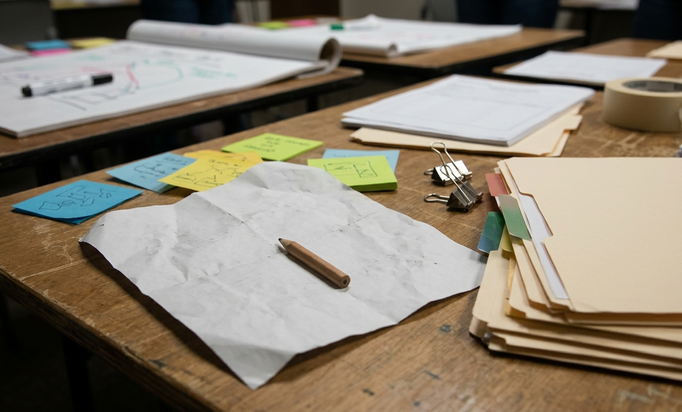
The checklist captures the information the next employee needs:
- Customer request: a concise account of what the customer needs.
- Action already taken: what staff have completed or communicated.
- Responsible colleague: who owns the next action.
- Next step: what happens next and the promised follow-up window.
Use fictional customer details during practice. For example, a customer asks for an update on an unresolved service request. The practice note should show what someone has already checked, who will continue the inquiry, and when the customer expects a response.
Demonstrate a complete handoff, then ask another employee to write one and a colleague to continue it. Give specific feedback: “The request is clear; add who will contact the customer.” That directs attention to an observable behavior.
Test the checklist during normal work and discuss the result. The practical test is whether the receiving employee can act without reconstructing the request or calling a coworker at home to decipher the note.
Review What Changed at the Counter
Review the same task before and after employees practise. Existing handoff records and direct observation provide a practical basis for comparison without creating a separate reporting burden.
For the customer-request example, examine whether notes contain the necessary information, whether colleagues ask avoidable clarification questions, and whether they can continue requests without restarting the conversation. Ask employees which parts of the checklist help and where wording causes confusion.
Keep the evidence in distinct categories:
- Participation: the employee attended the workshop.
- Demonstrated skill: the employee produced a usable handoff during practice and daily work.
- Business outcome: the business observes changes in request continuity, supervisory interruptions, or customer follow-up.
Each category answers a different question. Attendance establishes participation. A completed handoff demonstrates the target skill. Changes in daily service help the owner judge whether the practice serves its intended purpose.
Use the review to decide what to retain, clarify, or practise again. Keep feedback tied to the handoff itself so employees know exactly what to change.
Write the Development Brief Before Choosing a Session
From Session to Shift
Identify the task, match workshop content to the required behavior, protect attendance and practice time, and review how employees perform the task afterward.
Turn that sequence into a short development brief. Name the employee, the target skill, the workshop criteria, the workplace practice opportunity, and the review point. For the handoff example, the brief should specify complete request documentation and an exercise in which a colleague continues the request using the note.
Write that brief before browsing Chamber workshop options. Choose a session with a clear workplace application, and commit to practising the handoff before adding another training priority.







Join the Discussion