


Assessing the Funding Notice Before Planning the Project
Ossining is located in New York, meaning a downtown storefront owner considering public funding must navigate both state and local application rules. A worthwhile building improvement does not automatically establish that its owner, location, costs, or schedule qualify under a particular notice. Business operators may envision a necessary upgrade, such as masonry repair or new signage, and attempt to fit that vision into the first available grant program. This approach reverses the necessary sequence. The initial step is to find the official funding notice and read its eligibility criteria before drafting project plans or contacting architects.
State and municipal funding notices may publish their final guidelines approximately 30 to 45 days before the application portal opens. This window provides time to evaluate the active opportunity against the physical reality of the property. The Greater Ossining Chamber of Commerce serves as a local business resource to help navigate these frameworks, though it does not administer the grants directly. Evaluating the notice determines whether the current funding cycle aligns with the property's immediate needs. The goal is to assess an active opportunity based on its published parameters, rather than assume a general grant is open and applicable to all commercial properties.
Decoding Budget Constraints and Payment Terms
Understanding the financial mechanics of a grant requires defining the terminology used in the funding notice. An applicant is the legal entity submitting the request. An eligible project defines the broad category of acceptable work, while an eligible expense dictates the specific line items the funder will cover. A match represents the percentage of the total cost the applicant must contribute from their own capital. The award period establishes the timeline during which expenses must occur. Finally, the reporting requirement outlines the documentation necessary to prove the work happened according to the approved plan.
An award ceiling represents the maximum possible grant. This figure differs from the cash available at the project's start. Many municipal storefront improvements operate on a reimbursement basis. This structure requires the applicant to pay approved costs upfront before requesting payment. Reimbursement processing can take in the range of 45 to 90 days after the submission of cleared contractor invoices and final inspection reports.
Consider a hypothetical storefront improvement to illustrate this dynamic. An owner receives contractor estimates for new exterior lighting and signage. If the grant requires a 50 percent match and operates on reimbursement, the owner must finance the entire construction cost out of pocket, wait for the final inspection, and then wait through the processing period before receiving the grant portion. This cash flow reality affects project feasibility long before construction begins.
Reimbursement Cash Flow Tip
Secure a dedicated line of credit or allocate liquid reserves for the reimbursement processing window to prevent contractor payment delays and maintain project momentum.
Verifying Applicant Status and Allowable Construction
Applicant eligibility and project eligibility are distinct tests within the evaluation process. A business or property owner must first prove they have the legal standing to apply. Next, the proposed work and allowable expenses must align with the program's goals. Some programs require commercial tenants applying for exterior modifications to have a lease with 36 to 48 months remaining at submission, alongside a notarized property owner consent form. Obtaining formal property owner consent and architectural estimates for tenant-driven exterior modifications can take an estimated 14 to 28 days. This timeline calls for early action when the funding guidelines are released.

Tenants must check their lease permissions carefully. Some commercial agreements prohibit exterior alterations, regardless of the funding source. Furthermore, the funding notice may require explicit owner consent before the applicant pays for preliminary plans or certified architectural estimates. Proceeding without this authorization risks invalidating the application.
Investigate common disqualifiers early in the process. Work started before official approval can disqualify an application. Expenses incurred outside the defined award period may be rejected. Improvements extending beyond the mapped geographic boundary can fail the initial compliance review. Identify these constraints early to avoid investing time and capital in an ineligible proposal.
Comparing State and Local Revitalization Opportunities
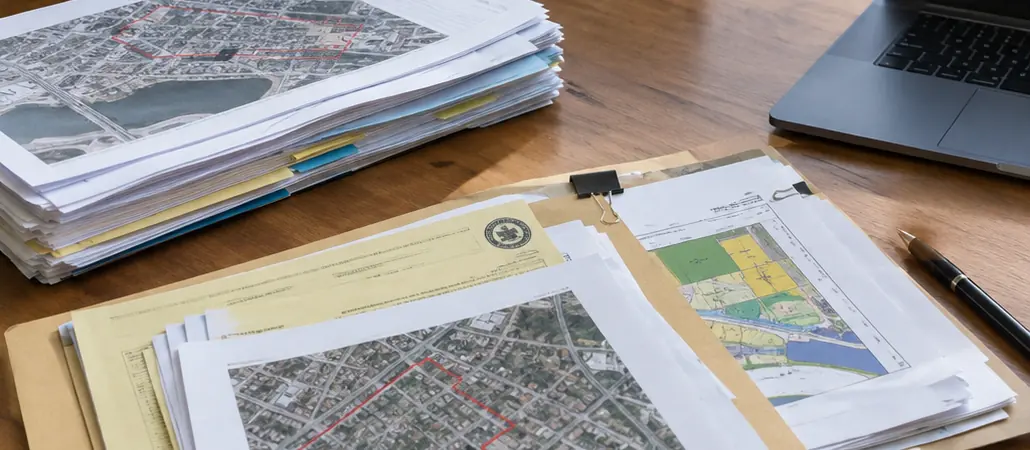
Check geographic boundaries before comparing grants by maximum award size. An address 50 to 100 feet outside a designated revitalization zone may be ineligible, regardless of the potential award. Municipalities may update zoning maps used for grant boundaries on 3- to 5-year cycles, so a property's inclusion in a downtown district must be verified against the map attached to the current funding notice. A general downtown label cannot establish that an Ossining address falls inside a program's eligible boundary.
State and local grant cycles can have different rules. To compare their notices, record the issuing public body, official notice date, application deadline, eligible applicants, mapped area, covered work, match requirements, payment method, and official contact for questions. This comparison helps identify which program fits the proposed project.
Keep the dated official notice and any written clarifications together in a master file. Rules and funding availability can change between funding rounds, making historical assumptions risky. Relying on the guidelines from a previous year may lead to a technical disqualification in the current cycle.
Boundary Verification Warning
Do not rely on third-party mapping applications to confirm district inclusion; cross-reference the physical address with the official appendix map provided in the grant documentation.
Sequencing the Application Timeline
Work backward from the application deadline to build a realistic schedule. The sequence requires confirming eligibility, seeking written clarification, obtaining property permissions, collecting estimates, preparing the budget and narrative, securing match evidence, and finally reviewing the submission. For planning purposes, allow 21 to 35 days to seek three competitive contractor bids for commercial facade work during peak construction seasons. Waiting until the final weeks to contact contractors can mean missed deadlines or rushed, inaccurate estimates.
Distinguish the submission deadline from other dates in the funding lifecycle. The question deadline dictates the final opportunity to clarify ambiguous terms with the issuing body. The award decision date indicates when the municipality or state expects to announce its selections. The permitted project start date establishes the earliest moment an applicant can sign a contractor agreement. The completion date and reimbursement deadline set the final project boundaries. Reserve time for contractor revisions and unexpected portal problems to submit a complete application.
Sample Application Timeline Checklist (Keyed to Notice Dates)
- T-Minus 45 Days: Verify property address against the official notice boundary map.
- T-Minus 40 Days: Submit written eligibility clarification questions to the issuing body.
- T-Minus 35 Days: Request notarized property owner consent and initiate contractor bids.
Assembling a Verifiable Storefront Proposal
A practical application packet relies on concrete documentation rather than abstract concepts. This includes a detailed project description, address and location evidence, current-condition photographs, an itemized scope of work, contractor estimates, property authorization, a comprehensive budget, and requested financial or registration documents. A notice may call for 4 to 6 high-resolution photographs of the existing storefront conditions, captured within 14 days of submission. These images establish the baseline for the proposed improvements and give reviewers a reference point.
Align each budget line with a described improvement and the notice's eligible-cost language. If the notice specifies funding for exterior masonry repair, the contractor estimate should identify that work and its cost separately. Separate uncertain expenses to maintain clarity. Lumping ineligible interior work with eligible exterior improvements—even if performed by the same contractor—can lead to rejection. Reviewers need to see a direct connection between the requested funds and the allowable expenses.
A concise narrative connects the proposed work to the stated downtown goals. Describe the physical improvements accurately without claiming a guaranteed business or community impact. Focus on the structural and aesthetic upgrades, detailing how the new facade or signage addresses the objectives outlined in the funding notice, rather than relying on speculative revenue projections.
Maintaining Post-Award Auditability
Follow the official submission method as prescribed in the guidelines. Save the confirmation receipt and all submitted files, and retain written answers to eligibility questions. Selection for an award and authorization to start work are two different events. Applicants must follow the award documents before committing any grant-dependent spending. Signing a contract or purchasing materials before receiving the official notice to proceed can void the award.
Post-award recordkeeping affects the final payment request. Award terms may require auditable project records, including cleared checks, contractor lien waivers, and before-and-after documentation, to be retained in physical or secure digital formats for 3 to 7 years following the final reimbursement payment. Track the approved scope, invoices, proof of payment, change approvals, and completion evidence. Requirements depend on the actual award terms, making organized records important for compliance.
Audit Preparation Takeaway
Establish a dedicated project folder on day one to capture every email, invoice, and photograph required for the final reimbursement package.
Open a separate checking account for the grant project. Route owner equity, contractor payments, and the final reimbursement deposit through that account to create a clear audit trail without having to untangle personal or operational business expenses during the final review.














Join the Discussion